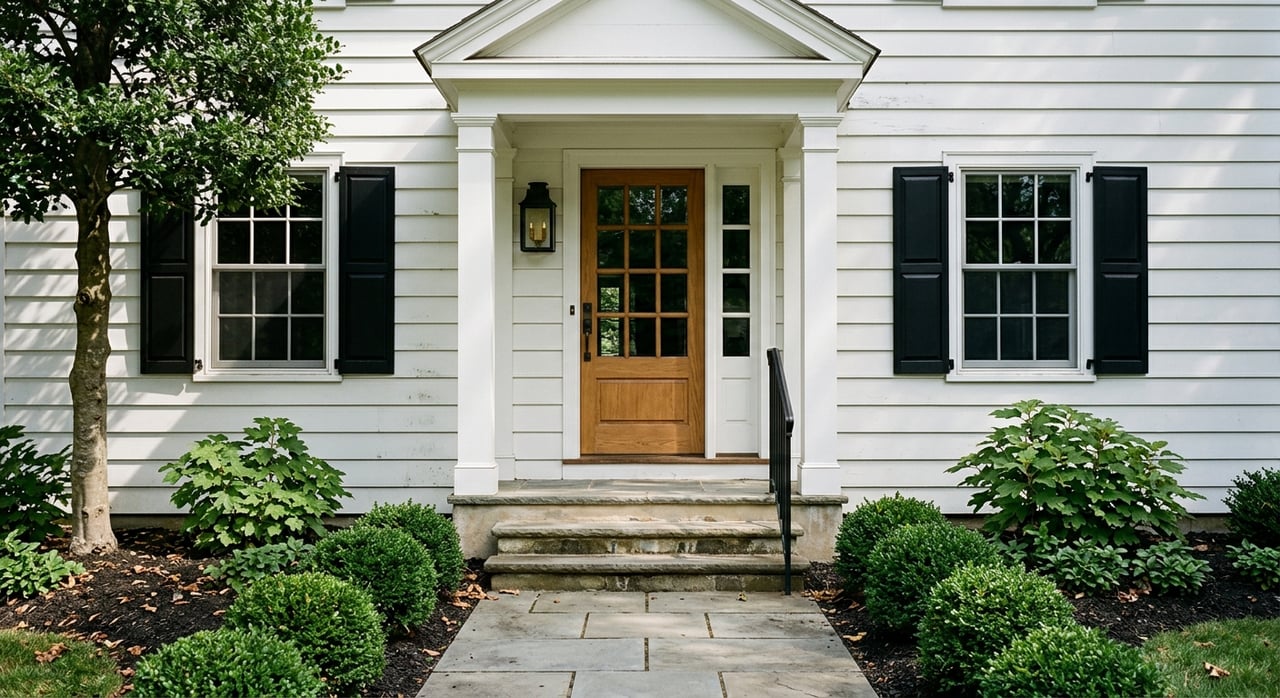
Historic Or Newer Franklin Neighborhoods?
April 23, 2026
April 23, 2026
Choosing between Franklin’s historic core and one of its newer planned neighborhoods can feel like choosing between two very different versions of the same great city. You may love the idea of brick sidewalks, older homes, and walkable downtown restaurants, or you may be drawn to newer construction, neighborhood amenities, and easier day-to-day maintenance. The right fit depends on how you want to live, not just what style of home you like. Let’s dive in.
Franklin has a well-known historic identity, but it also offers newer master-planned communities that appeal to buyers who want a more amenity-driven lifestyle. According to the city’s preservation materials, downtown Franklin is a compact historic district with a long preservation history, and the broader city includes five National Register historic districts and seven locally designated historic districts. That means “historic Franklin” reaches beyond Main Street alone.
On the other side of the market, communities like Westhaven, Berry Farms, and McKay’s Mill offer a more recent planning model. These neighborhoods are designed around conveniences such as trails, pools, shared gathering spaces, and a more structured community layout. If you are deciding where to focus your search, it helps to compare lifestyle, maintenance, commute patterns, and housing style side by side.
The historic core offers a setting that is hard to replicate in newer development. The city notes that the area features brick sidewalks, Victorian architecture, and renovated historic buildings within a compact downtown environment that supports shopping, dining, galleries, and services in one concentrated district. If you want to be close to local events and everyday walkable activity, this part of Franklin stands out.
Historic homes in Franklin are typically older, with housing stock that is largely pre-World War II. The city’s preservation plan identifies styles such as Federal, Greek Revival, Italianate, Victorian, Colonial Revival, and Bungalow, and notes that modest lot sizes, sidewalks, and mature landscaping contribute to the area’s small-town atmosphere. For many buyers, that character is the main draw.
Downtown Franklin also functions as a year-round destination. The city highlights annual events like the Main Street Festival, Fourth of July celebrations, PumpkinFest, the Veterans Day Parade, and Dickens of a Christmas. If you picture yourself walking to restaurants, shops, and seasonal events, the historic core may feel especially compelling.
With historic charm comes added oversight. In Franklin’s Historic Preservation Overlay, many exterior changes require review by the Historic Zoning Commission, and a Certificate of Appropriateness is generally required for exterior alterations. That does not mean historic ownership is off-limits or overly restrictive, but it does mean you should expect more planning if you want to change exterior details.
It is also important to separate local review from National Register status. The city’s preservation plan explains that National Register designation alone does not automatically place federal restrictions on private owners. For buyers, the practical issue is usually local design review, not the label itself.
Newer communities in Franklin tend to focus on convenience, amenities, and predictable upkeep. Instead of older architecture and a traditional downtown street grid, these neighborhoods often offer internal trail systems, shared recreation spaces, and a more uniform community plan. That can be especially appealing if you want newer construction or a neighborhood that supports an active routine close to home.
These communities are not all the same, though. Each one offers a slightly different version of the planned-neighborhood lifestyle, so it helps to look at them individually.
Westhaven is built around a village-center concept and emphasizes amenities and neighborhood programming. Official materials describe a community with a Residents’ Club, golf, trails, pools, fitness and activity spaces, plus concerts, farmers markets, and other events. Some townhomes are designed with front porches, private elevators, and walkable access to the Village Center.
Westhaven also offers home types with lower-maintenance living. Its active-adult section includes single-family homes, townhomes, and villas, with full lawn maintenance and, for some home types, full exterior maintenance. If you want a neighborhood with built-in activities and a more managed lifestyle, Westhaven may check a lot of boxes.
Berry Farms is a 600-acre mixed-use community located at the I-65 and Peytonsville Road interchange. Its official materials emphasize pedestrian-friendly streets, tree-lined sidewalks, gathering spaces, parks, a pool and pool house, and a Town Center where almost all of the area is within a 5-minute walk. That creates a neighborhood experience with a strong live-work-convenience feel.
Berry Farms also stands out for location efficiency. According to the community, it is roughly 5 minutes to Cool Springs, 10 minutes to Historic Downtown Franklin, and 20 minutes to Downtown Nashville. If your routine depends on easy regional access, that practical advantage may matter as much as the home itself.
McKay’s Mill represents a more established suburban planned-community model. The HOA describes a neighborhood off Liberty Pike and Oxford Glen Drive with access to I-65, plus a clubhouse, Olympic-size saltwater pool, playgrounds, tennis and basketball courts, three walking trails, green space, and a Towne Centre with conveniences including Publix. It also includes multiple housing types such as single-family homes, townhomes, and condominiums.
For buyers who want neighborhood amenities without necessarily choosing the newest development, McKay’s Mill offers a balanced option. It can appeal to buyers who want a more traditional suburban setup with everyday convenience built in.
Walkability is one of the clearest differences between Franklin’s historic core and its newer neighborhoods. In downtown and nearby historic districts, walkability is tied to a compact street network, restaurants, shops, civic spaces, and community events in close reach. The city continues to improve connections, including a streetscape link between downtown and the Factory, reinforcing that broader pedestrian experience.
In newer planned communities, walkability is often more internal. You may have sidewalks, trails, parks, pools, and a village-style center within the neighborhood, but the overall experience is different from living near a true historic downtown. Both can be walkable, but they serve different daily routines.
Your drive pattern may be the factor that settles the debate. Buyers who want closer access to I-65, Cool Springs, or Nashville often find communities like Berry Farms and McKay’s Mill especially practical because of their connection to major road corridors. Westhaven also offers strong access to Franklin and the greater Nashville area while still keeping you close to downtown Franklin.
By contrast, buyers in the historic core are often prioritizing proximity to downtown Franklin’s amenities over the most direct freeway access. If you would rather walk to dinner or local events than optimize for a quick interstate connection, that tradeoff may be worth it. This is where your weekly routine matters more than your wish list on paper.
Many buyers focus on home style first, but maintenance can shape your day-to-day experience just as much. In historic Franklin, older homes may require more renovation planning, and exterior changes often involve design review and permit steps. If you enjoy preserving character and do not mind a more thoughtful approval process, that may feel like part of the appeal.
In newer communities, the tradeoff is usually a stronger HOA structure paired with more predictable upkeep. In some cases, certain home types offer lawn maintenance or exterior maintenance, as Westhaven notes in parts of the community. If you value a more turnkey ownership experience, newer neighborhoods may be the easier fit.
If you are drawn to architecture, mature landscaping, downtown energy, and the idea of walking to local restaurants and events, Franklin’s historic areas may feel like home. The appeal is rooted in character, place, and a lifestyle that is hard to duplicate. For the right buyer, those benefits easily outweigh the extra planning that can come with owning a historic property.
If you prefer newer construction, neighborhood amenities, internal trails, pools, and a more structured maintenance setup, a master-planned community may be the better match. Westhaven, Berry Farms, and McKay’s Mill each offer a different version of that lifestyle, whether your priority is events, commute convenience, or everyday amenities. The best choice comes down to how you want your home and neighborhood to support your routine.
When you are comparing historic charm versus newer convenience in Franklin, the details matter. A high-touch local strategy can help you narrow the options, understand the tradeoffs, and move forward with confidence. If you want personalized guidance on Franklin neighborhoods, connect with The Milam Group to schedule a personalized market consultation.

Where to Find Outdoor Dining in Franklin, TN, From Riverside Patios to a Downtown Rooftop.

Reasons Buyers Choose to Invest in Franklin, TN, From Downtown Charm to Open Green Space.

How To Shape a Franklin, TN, Home That's Ready for Guests.

Donnel Milam
[email protected]
Bob Milam
[email protected]
Address
5200 Maryland Way, Suite 101
Brentwood, TN 37027
Office
(615) 263-4800
Direct
(615) 414-9069