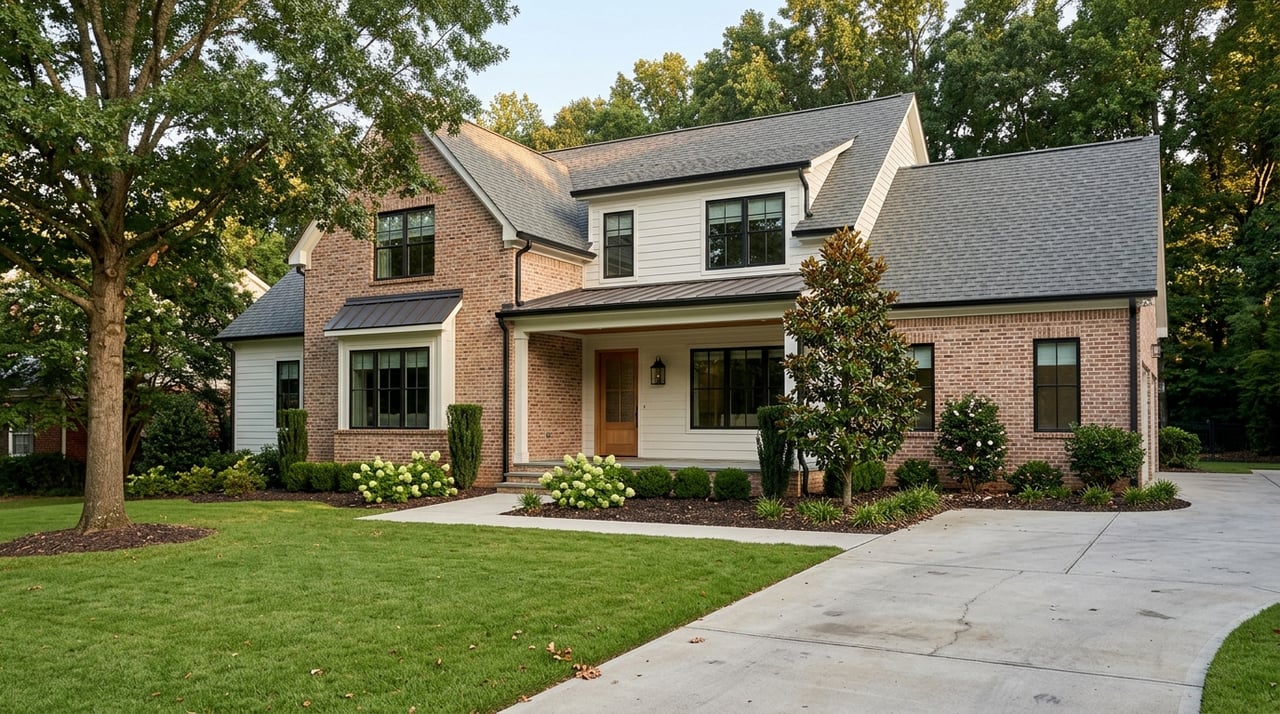
Brentwood New Construction Or Established Homes?
April 16, 2026
April 16, 2026
Trying to decide between a brand-new home and an established property in Brentwood? It is a smart question, especially in a market where prices are well above national norms and every decision carries real weight. If you want the right mix of lifestyle, timing, lot size, and long-term upkeep, understanding how Brentwood is built can help you choose with more confidence. Let’s dive in.
Brentwood is a premium, mostly owner-occupied market. According to U.S. Census QuickFacts for Brentwood, the owner-occupied housing rate is 90.4%, the median value of owner-occupied homes is $1,031,300, and median household income is $182,088.
Recent pricing also shows how competitive the market can be. Redfin reported a February 2026 median sale price of $1.4 million, and the City of Brentwood’s FY2025-26 budget cited a Zillow median home sale price of $1,302,933 from October 2024. In short, whether you buy new construction or an established home, you should expect pricing that reflects Brentwood’s high-end market.
New construction often attracts buyers who want a more turnkey experience. If you prefer modern finishes, updated layouts, and fewer near-term repair concerns, a new home can feel like the simpler path.
There is also an efficiency advantage. The Department of Energy says ENERGY STAR-certified homes offer better durability, comfort, and performance, and can be 40% to 50% more energy efficient than typical new construction homes. For many buyers, that can mean lower utility costs and fewer surprises in the first few years.
Warranty coverage can add peace of mind as well. HUD notes that FHA new construction includes a one-year warranty for defects in workmanship, materials, or equipment. That does not remove every risk, but it can reduce some of the uncertainty that comes with moving into a home.
If you are leaning toward a newly built home, it helps to know that the price point is often higher than the broader market. Realtor.com shows a median listing price of $1,784,750 for new construction homes in Brentwood.
That does not mean every new home costs the same, but it does reinforce a common Brentwood pattern. New inventory is often positioned toward the upper end of the market.
New residential supply is not spread evenly across Brentwood. The city’s Capital Improvement Projects show planning and infrastructure work connected to corridors like McEwen Drive, Old Smyrna Road, Ragsdale Road, Sunset Road, Split Log Road, Murray Lane, and Wilson Pike.
The city’s Old Smyrna Road project page specifically references the Harlan Residential Development, Ceilo Residential Development, and Windy Hill Park as planned or under construction. For you as a buyer, that means newer housing opportunities may be easier to find in select pockets rather than throughout every part of the city.
The biggest downside is usually time. If you are building from the ground up or waiting on a home to be completed, your timeline may be much longer than buying an existing property.
The latest Census construction-time tables show that nationally, single-family homes in permit-issuing places averaged 10.7 months from start to completion in 2022. In the South, the average was 8.7 months overall and 7.9 months for contractor-built single-unit homes. That is not a Brentwood-specific figure, but it is a useful benchmark when planning your move.
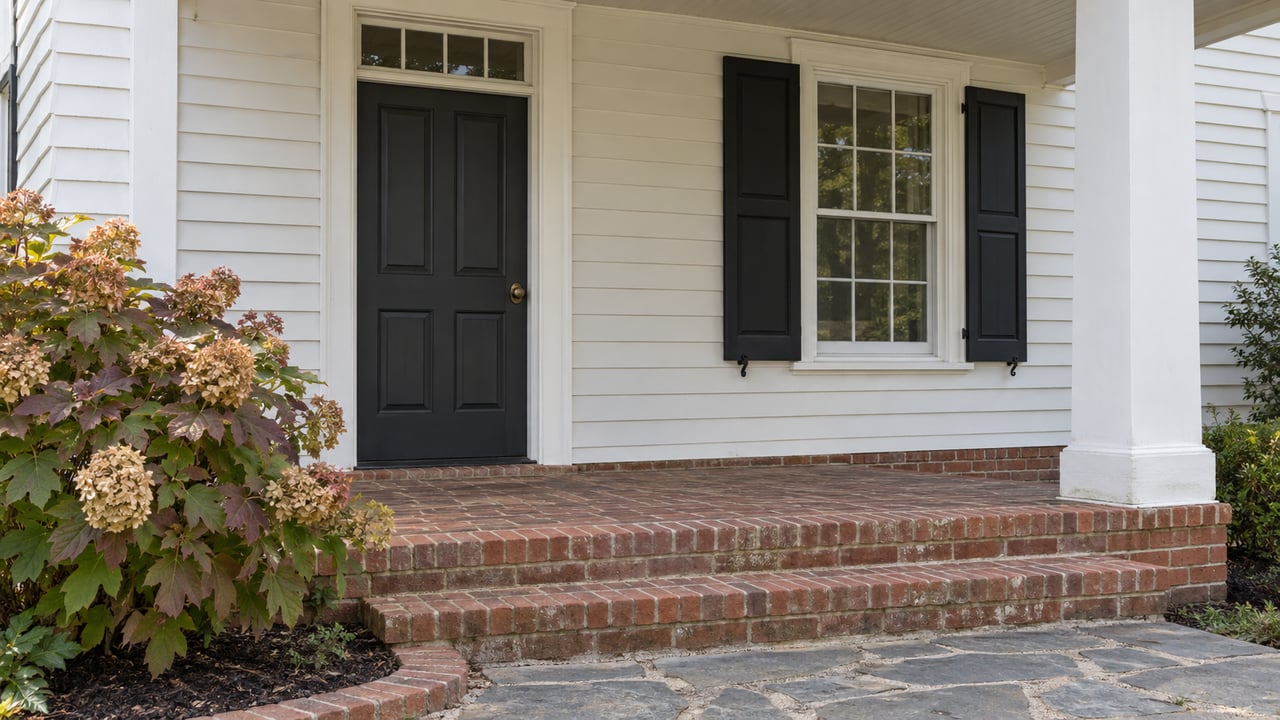
Established homes tend to attract buyers who want Brentwood’s original residential character. The city says its early vision of a low-density residential community remains prevalent, and that pattern still shapes much of the housing stock today.
For many buyers, that translates into a different feel from newer subdivisions. Established homes may offer mature streetscapes, older trees, and a stronger sense of neighborhood history. In Brentwood, that character often connects closely to the city’s long-standing one-acre neighborhood pattern.
If timing matters, an established home may be the easier fit. Once you complete due diligence and inspections, you may be able to close much faster than you could on a new build that is still under construction.
That can be especially helpful if you are relocating, trying to line up a school-year move, or coordinating the sale of your current home. A shorter path from contract to closing often gives you more certainty.
The tradeoff is that older homes usually require more investigation. The Consumer Financial Protection Bureau recommends that buyers schedule an independent home inspection as soon as possible to identify major issues, negotiate repairs, or decide whether to move forward.
Energy performance is also worth reviewing. The Department of Energy notes that older homes may have insulation that does not meet today’s standards, and heating and cooling systems older than 15 years should be considered for replacement. A home energy assessment can help you understand where updates may be needed.
Brentwood’s Old Smyrna Road project page gives a useful snapshot of what established areas can feel like. The city describes a narrow roadway with large trees close to the lane and old stone walls near the road, while also noting that historic features will be carefully considered during improvements.
That local detail matters because it shows both sides of the equation. Older areas can offer a distinctive setting, but they may also come with infrastructure limitations that newer sections of town do not share.
One of the biggest mistakes buyers make is assuming new construction always means smaller lots, or that established homes always sit on larger ones. In Brentwood, that is not always true.
According to the city’s planning information, about 90% of Brentwood’s acreage is zoned residential, and the residential system is built around a one-acre density standard. The same guidance explains that AR zoning requires a minimum three-acre lot, R-1 requires two acres, and hillside protection areas require a minimum three-acre lot. OSRD subdivisions can allow smaller individual lots when preserved open space keeps the overall density at one dwelling unit per acre.
For you, the takeaway is simple: check the lot, not just the age of the house. A new home in Brentwood may still offer significant land, and an established home may not always sit on the largest parcel in your search.
The best choice usually comes down to your priorities, not which category sounds better on paper. Brentwood offers both newer homes and established properties, but they solve different problems for different buyers.
Here is a quick way to frame the decision:
In Brentwood, the smarter question is often not “Which is better?” but “Which works better for the way you want to live?” A newly built home may feel easier day to day, while an established home may offer a setting and timeline that better match your goals.
Because inventory, location, lot size, and road access can vary so much from one area to the next, local guidance matters. If you want help weighing new construction against established homes in Brentwood, The Milam Group offers the kind of hands-on local insight and structured support that can make your decision clearer from the start.
Action Items to Support Your Brentwood Home Purchase.

Design Choices That Age Gracefully in Franklin, Tennessee.

Donnel Milam
[email protected]
Bob Milam
[email protected]
Address
5200 Maryland Way, Suite 101
Brentwood, TN 37027
Office
(615) 263-4800
Direct
(615) 414-9069