Living in a historic home comes with a certain kind of pride. In
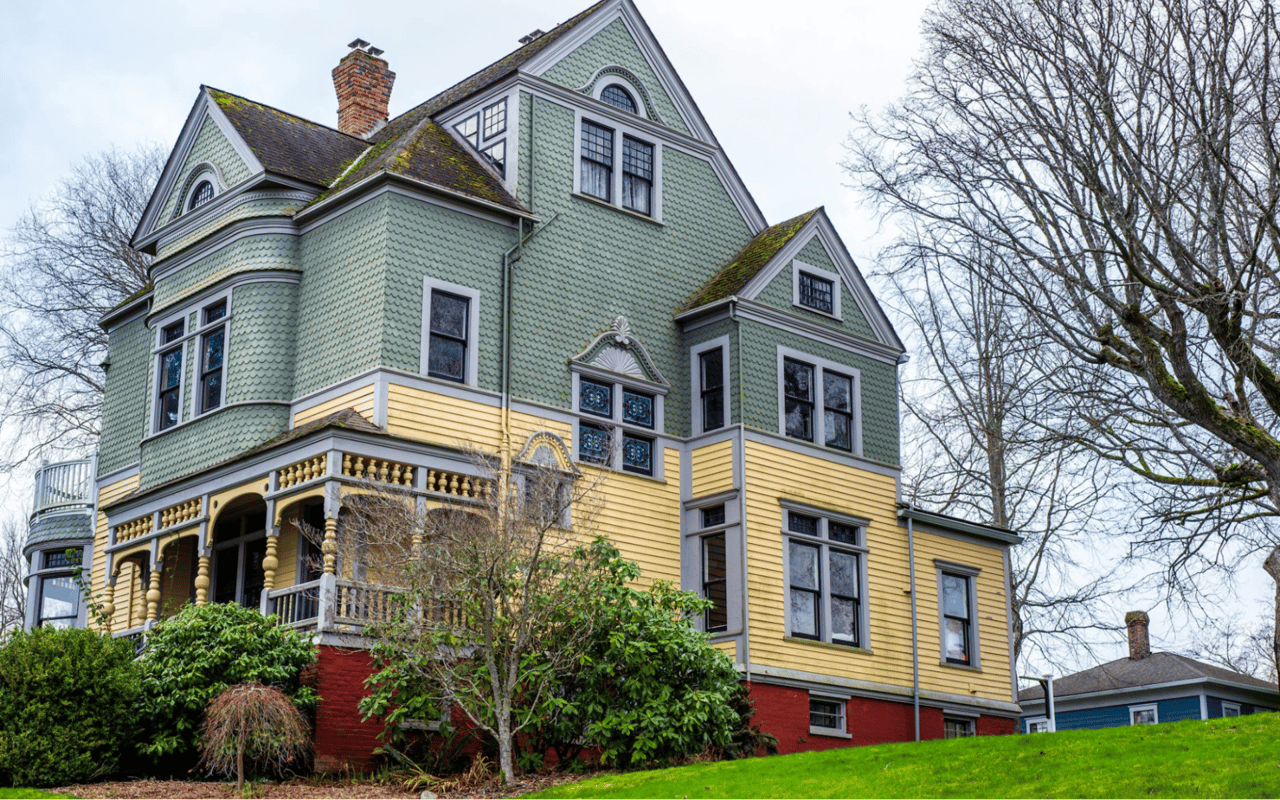
Franklin, Tennessee, these homes are a part of the area’s story. Whether you’re near Main Street, on a shaded side road, or part of one of the city’s recognized historic districts, your home reflects the craftsmanship and architecture of an earlier time. But keeping that beauty intact takes a bit more attention than your average property. Historic homes have their quirks, and staying ahead of them is key to preserving both form and function.
Start with a Thorough Inspection
Before tackling any updates or repairs, get a detailed understanding of the home’s current condition. A full-home inspection from someone familiar with older properties is worth the investment. Historic homes in Franklin, TN, often have aging plumbing, original wiring, or foundation concerns that might not be obvious at first glance.
Look for signs of settling, moisture intrusion, and outdated systems. In particular, pay close attention to areas where the original structure meets newer additions. These transition points can be vulnerable to leaks or other long-term issues if not properly maintained.
Respect the Materials—and Know When to Repair, Not Replace
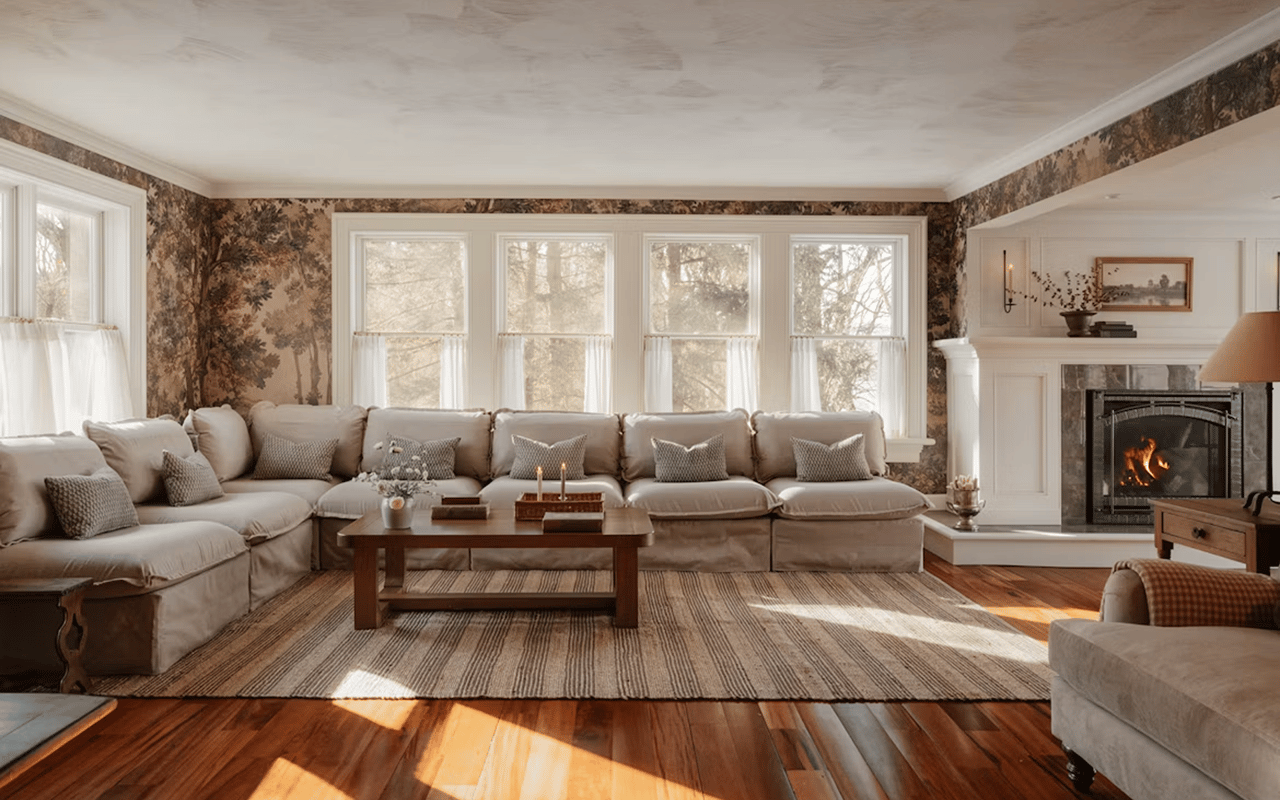
Part of what makes historic homes unique is the quality and character of their original materials. Wide-plank hardwood floors, solid wood doors, and true plaster walls aren’t often seen in modern construction. Preserving these features can help maintain your home’s historical value while also contributing to its charm.
When damage occurs, resist the urge to replace older materials with something new. In many cases, traditional materials like wood siding, brick, and plaster can be repaired rather than swapped out. For instance, window sashes that stick or rattle might benefit from a tune-up rather than full replacement. If you need to replace elements, try to use reclaimed or reproduction materials that match the original design as closely as possible.
Keep Up with Exterior Maintenance
Franklin’s weather can be hard on historic homes, especially when it comes to woodwork and paint. Regular upkeep of your exterior is one of the best ways to protect your investment.
Paint is more than cosmetic, as it helps seal wood against moisture and pests. Repainting every five to 10 years is typical, though shaded or humid areas may need touch-ups more often. Keep an eye on siding, window trim, porches, and soffits. If you notice flaking paint or soft wood, take action before it worsens.
Gutters and downspouts also play a big role in preserving a historic home. Make sure they are clear and properly directed away from the foundation. Water damage is one of the most common issues in older houses and often the most expensive to repair.
Understand What’s Behind the Walls
Many historic homes still contain original plumbing and electrical systems, which may not meet today’s safety standards. Knob-and-tube wiring, for example, is common in homes built before 1950 and can pose fire risks when paired with modern electrical loads. Similarly, galvanized steel pipes can corrode from the inside, leading to poor water pressure and the risk of leaks.
Updating these systems doesn’t have to mean tearing out walls. Electricians and plumbers with experience in historic properties can often find ways to upgrade safely while preserving your home’s original structure. Whenever you do open a wall or ceiling, take the opportunity to check insulation, wiring, and pipes—even if it’s just a small project.
Protect Against Moisture Year-Round
Historic homes tend to breathe more than modern ones, which can help with airflow but also increases the risk of moisture issues. High humidity in Tennessee, combined with traditional building materials, makes it important to monitor for mold, mildew, and rot.
Use dehumidifiers in basements and crawl spaces, and make sure attic ventilation is adequate. Check regularly for signs of water intrusion near windows, doors, and chimneys. If your home has a basement, consider sealing it and installing a sump pump if flooding has ever been a concern.
Exterior grading is another overlooked factor. Water should slope away from your foundation, not toward it. Over time, settling and landscaping changes can shift the way water flows. Making small adjustments to grading or adding a French drain can have a big impact on how your home holds up over time.
Be Thoughtful About Modern Upgrades
Living in a historic home doesn’t mean giving up modern comfort. But upgrades should be approached with care. Adding central air, updating kitchens, or installing new bathrooms are common projects, but try to work with the home’s existing structure whenever possible.
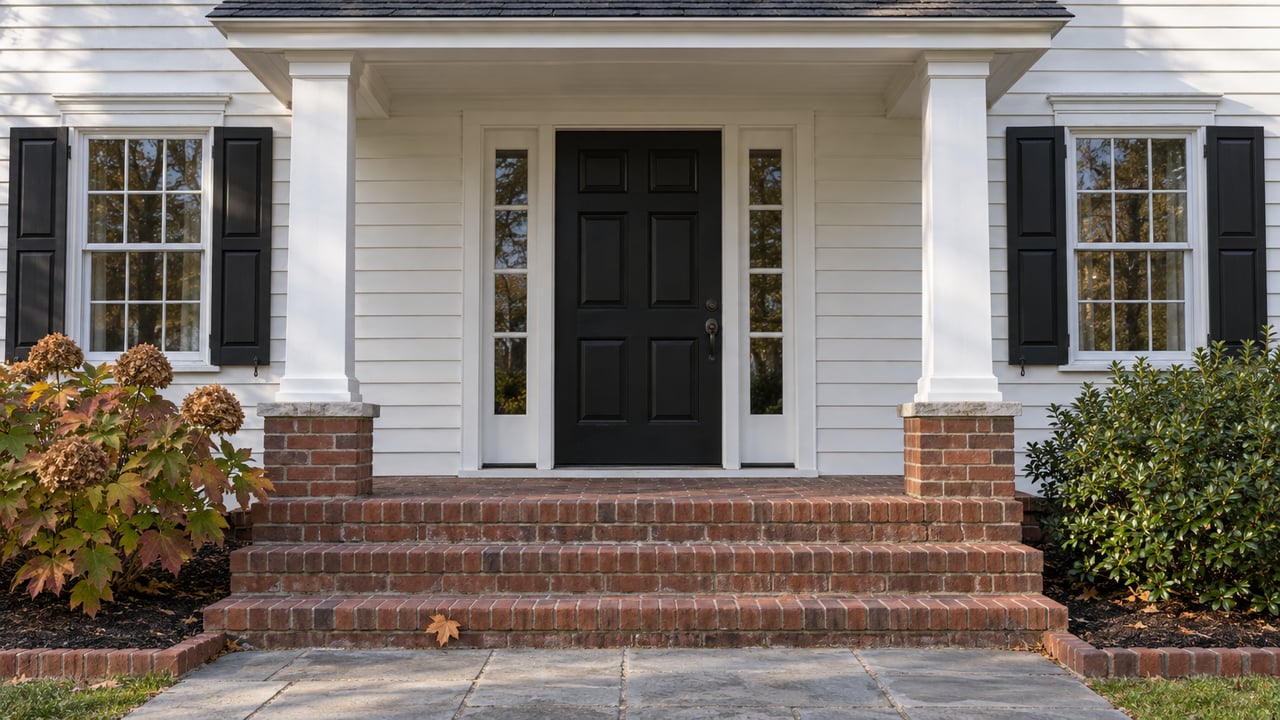
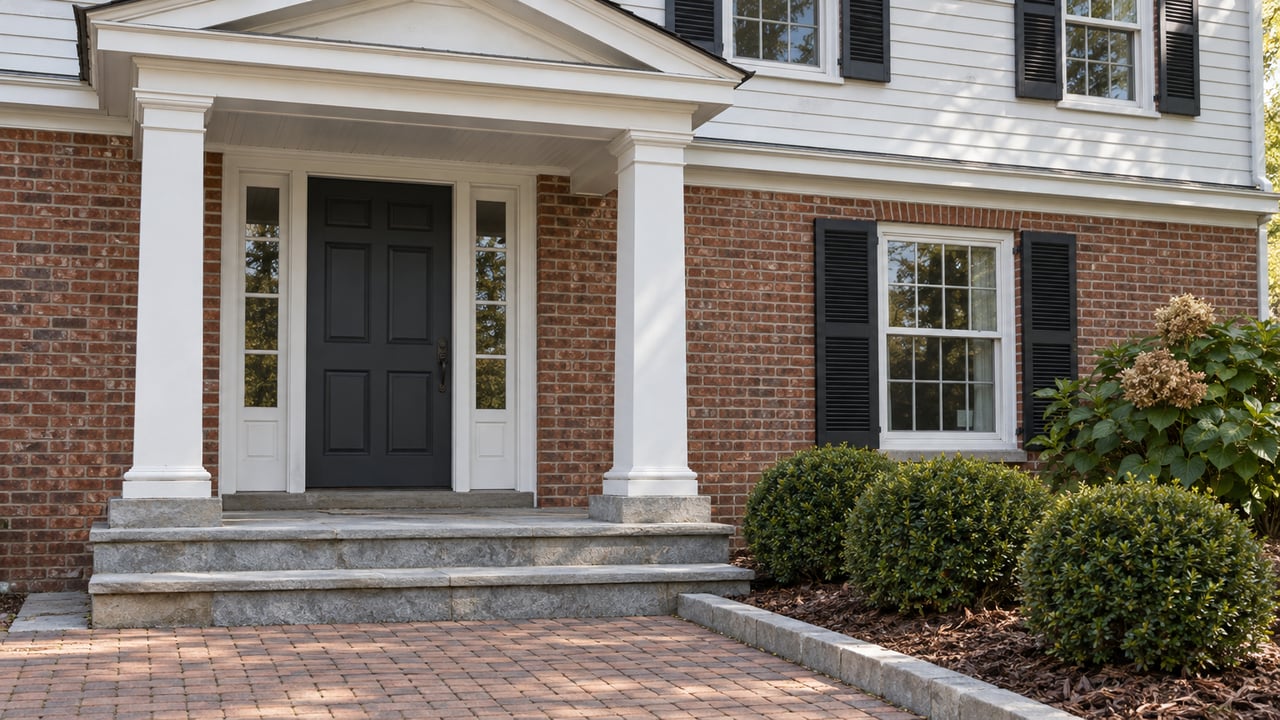
Preserving floor plans, moldings, and window shapes helps retain the character of the house even as you update finishes. In some cases, historic homes may be under local preservation guidelines, which means you’ll need to get approval for exterior changes like additions or porch alterations. Even if your property isn’t officially designated, it’s still a good idea to consult with experts familiar with Franklin’s architectural styles before making major changes.
When possible, choose updates that enhance energy efficiency without altering the home’s appearance. For example, storm windows can be added to the inside of existing wood frames, improving insulation while leaving the original glass in place. Adding insulation in the attic or updating HVAC systems can also improve comfort without compromising design.
Keep Records and Documentation
If your home has historic significance, maintaining records of repairs, upgrades, and inspections is valuable. This documentation not only helps you track the condition of various systems but can also be useful when it comes time to sell. Buyers interested in historic homes often want to see proof that updates have been handled with care.
Take before-and-after photos, save contractor receipts, and note the dates of major work. This information can also help guide future repairs or assist in insurance claims, should they ever be needed.
Know When to Call a Specialist
Owning a historic home comes with a learning curve, and not every issue is one you’ll want to tackle yourself. When in doubt, seek professionals who have experience working with older structures. This might include masons familiar with lime mortar, carpenters who understand traditional joinery, or HVAC technicians who can work within limited crawl spaces and existing layouts.
Franklin has a strong community of tradespeople who specialize in historic preservation. Leveraging their knowledge can save time and prevent costly mistakes, especially when working on structural repairs, foundation issues, or roof restoration.
Work With an Expert
Historic homes in Franklin, TN, have unmatched character, but they also require a certain level of care and commitment. Whether you’re preserving original materials, modernizing outdated systems, or planning a thoughtful renovation, success starts with having the right guidance from day one.
If you’re considering making any place near Franklin your home, working with a knowledgeable real estate professional can help you navigate the market and find a property that fits your lifestyle. Proudly serving
Williamson and Davidson Counties for over twenty years,
The Milam Group specializes in helping buyers and sellers in
Brentwood and Franklin. Start your journey today by connecting with The Milam Group, and take the next step toward finding your dream home in Franklin, TN.
Search
homes for sale in Franklin, TN here.
*Header image courtesy of Pexels