As buyers look ahead to the coming year, luxury home design trends are continuing to reflect a growing desire for personalization, wellness, and technological integration. The luxury market is leaning into natural elements, seamless indoor-outdoor living, and curated spaces that reflect not just aesthetic value but also thoughtful utility. For buyers and sellers navigating the evolving world of high-end real estate, understanding the emerging luxury home design trends for 2025 is essential.
These trends not only influence how homes are built and styled, but also shape value, appeal, and market longevity. Today’s luxury homes are far more than displays of affluence—they are increasingly expressions of lifestyle, innovation, and environmental awareness.
Nature-Inspired Interiors Take Center Stage
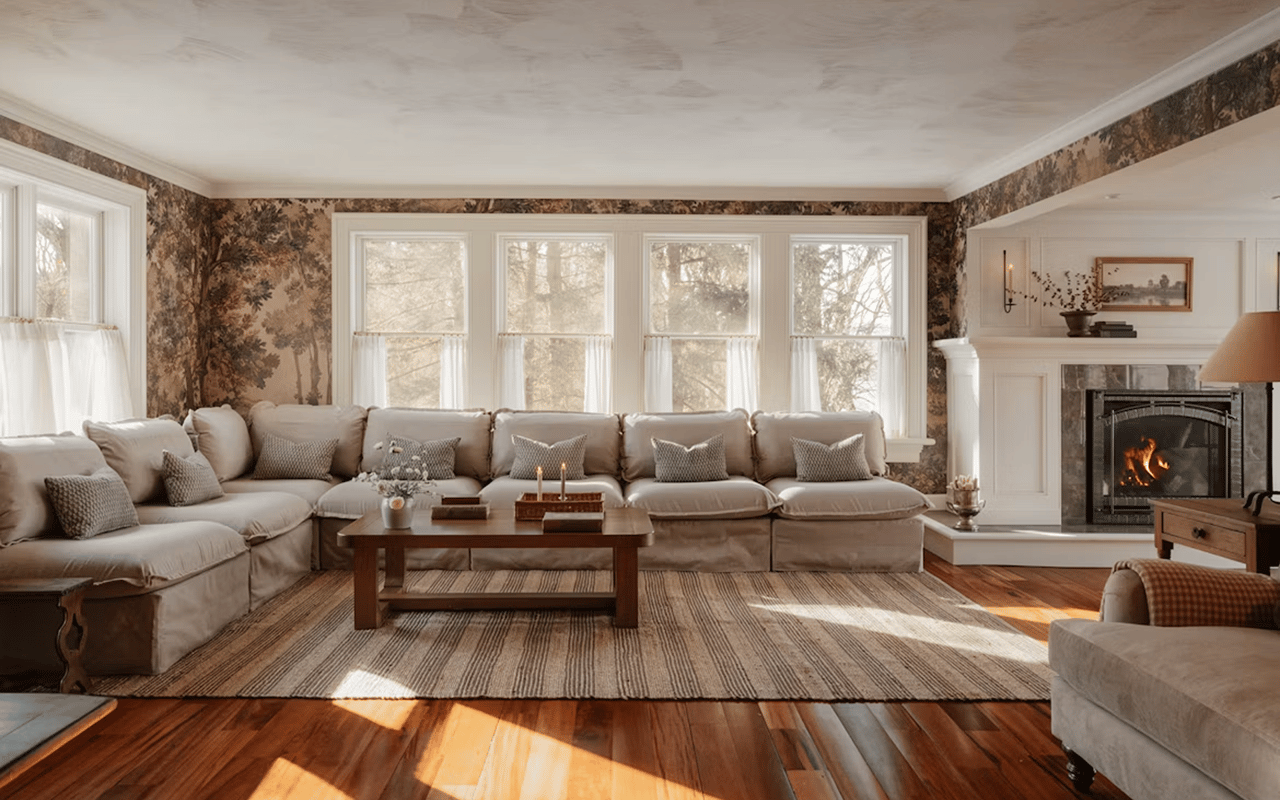
A clear standout among luxury home design trends for 2025 is the embrace of organic, nature-inspired materials. From floors to fixtures, homeowners are leaning into textures and tones that echo the natural world. Warm wood finishes, limestone and travertine surfaces, and sustainably sourced materials are dominating both contemporary and traditional luxury interiors.
Designers are moving away from glossy, high-shine surfaces and instead favoring matte finishes, hand-crafted detailing, and custom stonework. Living walls, indoor gardens, and planters built into architectural elements help bring the outdoors inside, creating spaces that feel rooted in nature. Neutral palettes, rich in earth tones and forest hues, provide a calming canvas for layers of texture and architectural interest.
This emphasis on biophilic design not only adds beauty to luxury homes but also reinforces well-being by enhancing air quality and encouraging a connection with nature.
Smart Homes Get Smarter—and More Subtle
Technological integration is evolving in sophisticated new ways. While smart homes have been a standard in luxury living for several years, 2025 brings a shift toward seamless, invisible tech. Homeowners are no longer content with visible gadgets; instead, they are prioritizing integrated systems that blend effortlessly with design.
Voice-controlled lighting, climate, and security systems now operate in the background with increased AI personalization. Automated window treatments adjust to the time of day and sunlight levels, while smart glass can turn opaque for privacy or clarity with a single command. In kitchens, technology meets function through sensor-based appliances and app-controlled ovens that enhance both convenience and energy efficiency.
One of the most notable luxury home design trends is the rise of “digital detox” zones—spaces that intentionally exclude technology to offer a break from constant connectivity. These rooms may feature acoustic paneling, natural light, and meditation-inspired design, providing a retreat within the home.
Wellness-Focused Spaces Become the New Standard
Wellness is no longer an amenity—it’s a priority. One of the most impactful luxury home design trends for 2025 is the inclusion of wellness-centered features that support physical and mental health. Home gyms are being elevated beyond the basics, with spa-like finishes, performance flooring, infrared saunas, and cold plunge pools becoming increasingly common.
Meditation rooms, yoga studios, and even nap pods are finding their way into high-end residences, particularly those tailored to health-conscious buyers. In bathrooms, luxury extends to wellness through aromatherapy steam showers, deep soaking tubs, and chromotherapy lighting.
Even air and water quality are getting attention. Builders and designers are incorporating advanced filtration systems and ventilation designs that ensure clean, allergen-free environments. Circadian lighting systems that align indoor lighting to natural rhythms are also gaining popularity, promoting healthier sleep patterns and energy levels.
Flexibility in Floor Plans Reflects Changing Lifestyles
If the past few years have taught luxury homeowners anything, it’s the value of adaptability. In 2025, flexibility continues to drive layout design. Open-concept living remains desirable, but it's being refined to allow for both social interaction and individual retreat.
Sliding panels, retractable walls, and modular furniture allow for fluid use of space depending on the moment. Multipurpose rooms are on the rise—offices that double as guest rooms, media rooms that convert to family lounges, and dining rooms that transform into collaborative workspaces.
Designers are responding to the rise of hybrid work and multigenerational living by creating zones within the home that serve multiple functions without sacrificing style. Custom cabinetry, integrated storage, and furniture that folds or conceals make it easy to change the atmosphere or function of a room on demand. This adaptability will be a key component of luxury home design trends as personal needs and lifestyle preferences continue to evolve.
Curved Architecture and Sculptural Details Add Personality
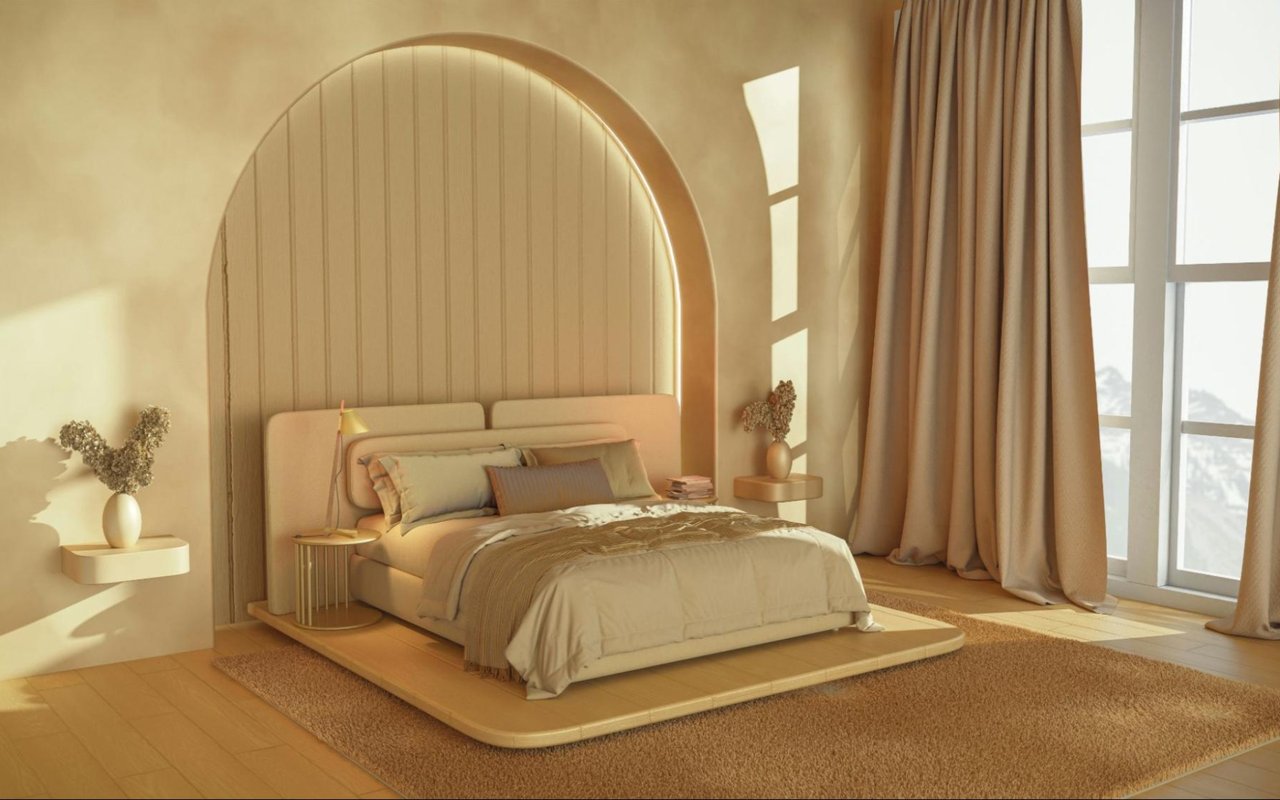
Another defining characteristic of luxury home design trends in 2025 is the move away from hard lines and sharp angles. Curved architecture is making a strong comeback, creating softer and more inviting interiors. From arched doorways and barrel-vaulted ceilings to rounded islands and serpentine sofas, these shapes add flow and a sense of movement throughout a space.
Furniture and lighting follow this aesthetic shift as well. Statement pieces are designed with organic curves, plush textures, and a strong sculptural presence. Artistic lighting, whether in the form of cascading pendants or minimalist LED installations, also plays a critical role in defining the ambiance of each room.
This trend enhances not only visual interest but also comfort—an increasingly important factor in luxury home design, where beauty and livability must go hand in hand.
Outdoor Living Expands Its Footprint
Outdoor living spaces have become essential to luxury lifestyles, and in 2025, these areas are more sophisticated than ever. Rather than existing as separate zones, outdoor spaces are designed as natural extensions of the interior, both stylistically and functionally.
Fully equipped outdoor kitchens, weatherproof dining spaces, and climate-controlled lounging areas allow for year-round use. Landscaping design includes native plants, water features, and LED pathway lighting, transforming backyards into private resorts. Fire pits, pergolas, and even outdoor cinema screens are increasingly featured in newly built luxury homes.
What sets 2025’s outdoor luxury apart is the integration of sustainability. Solar-powered lighting, rainwater harvesting systems, and permeable pavers are being incorporated not just for their ecological benefits, but for the sense of modern stewardship they lend to the home’s design.
Customization and Personality Reign Supreme
One overarching theme in 2025 is the rejection of “one-size-fits-all” luxury. Buyers today are seeking homes that reflect their values, interests, and unique lifestyle. As such, custom details are more important than ever, and design firms are working closely with clients to create homes that tell a personal story.
From curated art collections and bespoke cabinetry to hand-painted tilework and imported furnishings, the details make the difference. Increasingly, luxury homeowners are involving local artisans and sustainable suppliers to ensure their homes are both distinctive and responsibly crafted.
The value of exclusivity is driving innovation in everything from interior finishes to architectural forms, pushing designers to blend tradition with avant-garde creativity.
Staying Ahead of Luxury Home Design Trends
Staying ahead of luxury home design trends is essential for buyers, sellers, and investors alike. As the market continues to shift toward experience-driven design, understanding what defines true luxury is critical to making informed real estate decisions. Whether upgrading an existing residence or searching for a newly constructed property, knowing which features are gaining traction ensures that each space reflects not only elegance but also enduring value.
Those looking to purchase or sell in today’s luxury real estate market should consider how these trends influence both lifestyle and long-term investment potential. Homes that anticipate or embrace these evolutions are likely to stand out in competitive listings and hold their appeal for years to come.
Contact The Milam Group to Explore 2025 Luxury Home Design Trends
The luxury home design trends shaping 2025 offer a glimpse into a future where aesthetics, wellness, and innovation converge. These trends not only enhance day-to-day living but also elevate the market value and desirability of high-end properties. To explore homes that reflect the latest in luxury design and to navigate your next move with confidence,
contact The Milam Group today.
Recommended reading: How to Design a Modern Home Office