Owning a historic home is a privilege that comes with a unique set of joys and challenges. These properties offer unmatched character, craftsmanship, and a deep sense of history that newer homes often can’t replicate. However, when it comes to decorating, homeowners must strike a careful balance between preserving the home’s original charm and creating a space that feels fresh, functional, and personal. Whether your property is a century-old farmhouse, a stately Victorian, or a mid-century gem, thoughtful design choices can enhance its historic character while ensuring it suits modern living.
Celebrate the Home’s Original Architecture
Every historic home tells a story through its architecture. From intricate moldings and millwork to arched windows and exposed brick, these details form the heart of the property’s aesthetic. The best way to begin decorating is by celebrating and highlighting these architectural features rather than concealing them.
If your home has original hardwood floors, restore them to their natural beauty instead of covering them with carpet. If there are ornate fireplace mantels or built-in bookshelves, use them as focal points in the room’s design. Paint can also be a powerful tool—neutral tones emphasize woodwork, while historically inspired colors can add warmth and authenticity.
Lighting plays a key role in highlighting architectural details. Wall sconces, chandeliers, and pendant fixtures designed in period-appropriate styles can accentuate the home’s character while adding function and ambiance.
Choose a Balanced Color Palette
Selecting the right color palette is crucial in maintaining harmony between old and new. Historic homes often feature distinctive trim, wainscoting, or plasterwork, so choosing colors that complement these elements ensures a cohesive look.
For those who want to remain faithful to the home’s era, researching period-specific colors can provide inspiration. However, incorporating modern hues can create a fresh and livable feel without losing historical integrity. Muted greens, soft creams, and warm grays blend beautifully with traditional materials like wood, stone, and brick.
In spaces where you want a more contemporary vibe, accent walls or statement pieces in bolder shades can bring energy while still respecting the home’s timeless design.
Mix Antique and Modern Furnishings
A common misconception about decorating historic homes is that every piece must match the era of the architecture. In reality, the most beautiful interiors often mix old and new elements. Combining antique furniture with modern pieces creates depth and visual interest while allowing homeowners to reflect their personal taste.
For example, a classic four-poster bed can pair beautifully with sleek, modern bedside tables, or a mid-century credenza can balance the ornate woodwork of an older home. The goal is to create contrast without disrupting the home’s flow.
When working with antiques, less is often more. A few statement pieces—a vintage dining table, a gilded mirror, or an heirloom armchair—can speak volumes without overwhelming a space. Layering these items with contemporary artwork, rugs, and textiles adds comfort and personality while keeping the overall aesthetic cohesive.
Honor the Home’s Story with Thoughtful Details
Decorating a historic home is not just about aesthetics—it’s about honoring the property’s story. Small details such as hardware, doors, and fixtures can make a significant difference in maintaining authenticity. Replacing modern hardware with vintage-inspired handles, knobs, or hinges can instantly elevate the space.
Historic homes often feature unique window shapes and sizes, so custom window treatments are worth the investment. Opt for fabrics and styles that complement the home’s period—linen drapes, Roman shades, or wooden shutters work well for a classic, timeless feel.
Incorporating artwork and décor that reflect the home’s heritage or the region’s history can add another layer of meaning. Framed architectural drawings, black-and-white photography, or antique maps blend seamlessly with traditional interiors and tell a story that resonates with the home’s past.
Adapt the Layout for Modern Living
While historic homes are rich in beauty, they often weren’t designed for today’s lifestyles. Fortunately, decorating offers opportunities to adapt the space for modern living without sacrificing character.
Consider the home’s traffic flow and how each room is used. Rearranging furniture to open up sightlines can make older floor plans feel more spacious. For example, positioning furniture away from walls and toward the center of the room can create cozy conversation areas while preserving architectural balance.
Modern conveniences—such as open shelving in the kitchen, integrated storage in the living room, or a reading nook in an unused corner—can be introduced subtly, ensuring the home remains functional while respecting its structure.
Lighting upgrades are another way to enhance livability. While preserving antique fixtures, supplementing them with recessed or track lighting provides a brighter, more versatile environment.
Use Textures to Add Warmth and Depth
Historic homes often feature high ceilings, hardwood floors, and large windows—elements that can sometimes make spaces feel grand but cool. The right combination of textures helps soften the environment and adds warmth.
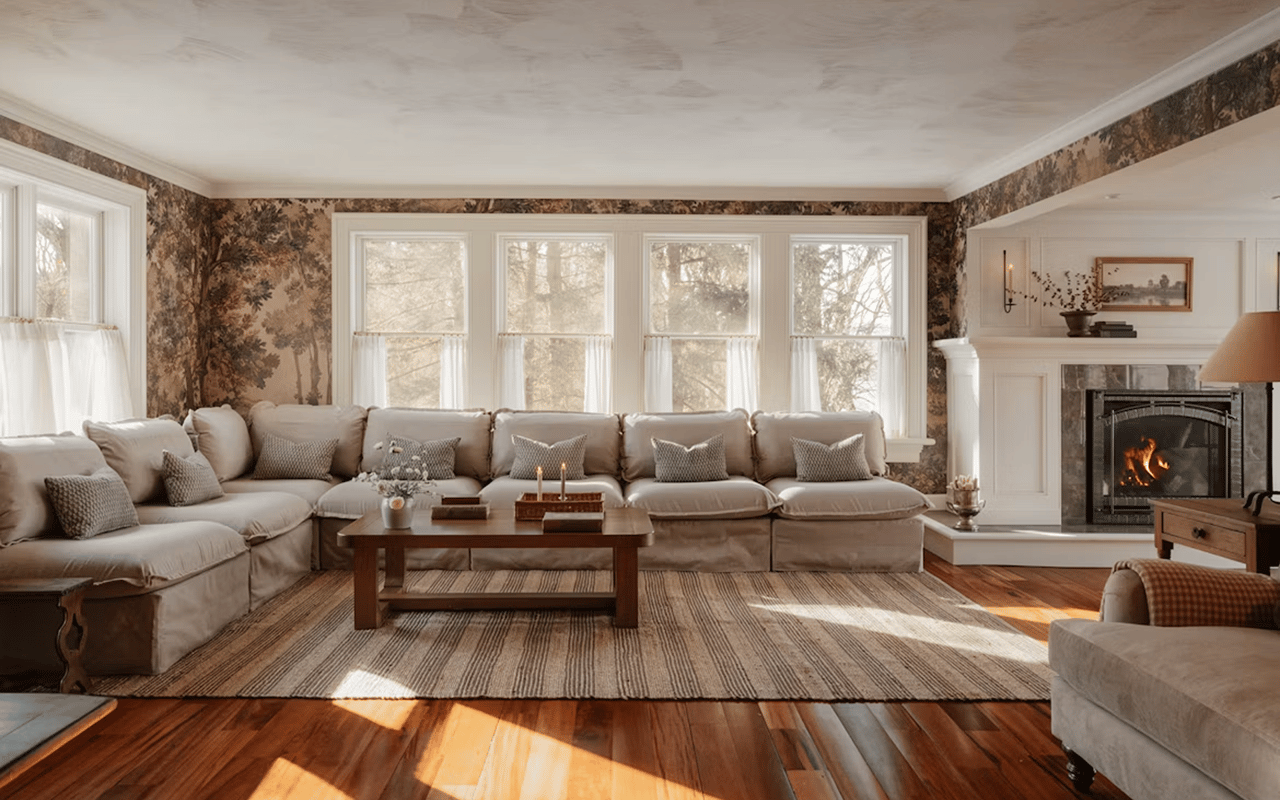
Layering rugs, throws, and upholstery in rich fabrics like velvet, linen, and wool introduces both comfort and visual depth. Textured wallpaper, grasscloth, or plaster finishes can add subtle pattern and dimension without overpowering the space.
In a home with preserved architectural details, texture also helps balance visual complexity. Pairing intricate woodwork with soft fabrics and clean-lined furniture ensures that the overall design feels harmonious rather than busy.
Integrate Modern Technology Discreetly
Modern conveniences like smart thermostats, lighting controls, and audio systems can be incorporated into historic homes with minimal disruption. The key is to integrate technology subtly, preserving the home’s traditional appearance.
Discreetly mounted televisions, built-in speakers, and concealed wiring allow homeowners to enjoy the benefits of technology without detracting from the home’s character. Working with a designer who specializes in historic properties can help ensure upgrades are both functional and aesthetically appropriate.
Preserving History, Enhancing Comfort
Decorating a historic home is an act of stewardship—honoring the craftsmanship of the past while creating a comfortable, inviting space for the present. Every decision, from color choices to furniture selection, contributes to a delicate balance between authenticity and livability.
Elevate Your Historic Home Experience with The Milam Group
Historic homes are treasures that tell stories through every detail, and with the right approach, they can be as luxurious and livable as any modern property.
The Milam Group specializes in helping clients find and enhance remarkable homes throughout Brentwood and Middle Tennessee. With deep local knowledge and a passion for timeless design, their team can guide you through buying, selling, or decorating a home that blends history with modern comfort. Reach out to The Milam Group today to begin your journey toward a beautifully curated historic
home in Brentwood, TN.
Recommended reading: Luxury Home Design Trends For 2025