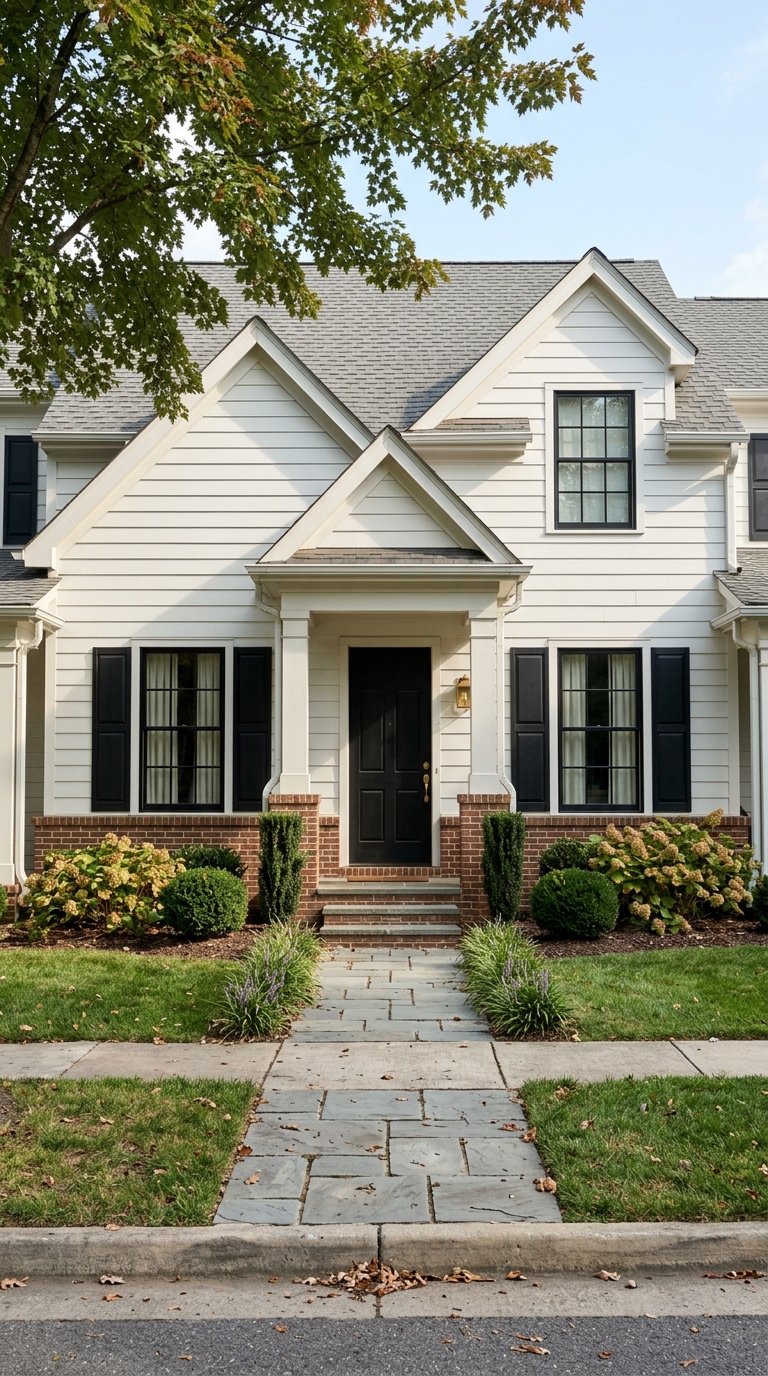
Downsizing In Franklin: How To Plan Your Next Move
July 16, 2026
July 16, 2026
If your Franklin home feels bigger than the life you want to maintain, you are not alone. Downsizing can free up equity, cut back on upkeep, and put you closer to the places you enjoy most, but it also comes with a lot of moving parts. When you understand timing, costs, and your next-home options, you can make a smart move with less stress. Let’s dive in.
Franklin is still a high-value market, which can create real opportunity when you sell. Redfin reports a median sale price of $849,492 over the three months ending May 2026, with about 2 offers on average and a median of 52 days on market.
That matters if you are counting on your sale proceeds for your next purchase. Homes are selling, but not overnight, so a strong downsizing plan should include time for preparation, listing, showings, inspections, and closing.
Downsizing is also about more than square footage. In Franklin, many buyers are looking for a home that supports a simpler routine, lower maintenance, and easier access to daily amenities.
Before you look at homes, get clear on what you want your next chapter to feel like. Some homeowners want fewer stairs, less yard work, or lower monthly costs, while others want to stay close to parks, shopping, or downtown Franklin.
A smaller home can make life easier, but only if it fits the way you actually live. Think about how much space you use now, which rooms matter most, and what kind of upkeep you want to leave behind.
A few good questions to ask yourself include:
One of the biggest downsizing mistakes is assuming your sale price equals your cash available for the next home. Your net proceeds are what you keep after commissions, closing costs, mortgage payoff, and other selling expenses.
Bankrate notes that exact proceeds are hard to know until you accept an offer. Common deductions can include agent commissions, title insurance, attorney and escrow fees, transfer taxes, repairs, and staging.
In Tennessee, the realty transfer tax is 37 cents per $100 of consideration. Based on Franklin’s recent median sale price of $849,492, that works out to about $3,143 in transfer tax alone before you account for any other costs.
If you have owned your home for many years, taxes may also affect your planning. The IRS allows a primary-residence gain exclusion of up to $250,000 for single filers or $500,000 for many joint filers if you owned and used the home as your main residence for at least two of the past five years.
When you buy your next home, focus on the full cost of ownership, not just the purchase price. Closing costs on a home purchase typically run about 2% to 5% of the purchase price, according to the CFPB.
Your monthly payment should also include more than principal and interest. Property taxes, homeowners insurance, HOA fees, mortgage insurance if applicable, and other recurring costs all affect whether a home truly fits your budget.
You will also want room for moving expenses, updates, new furnishings, and a cash cushion. That is especially important if you are selling a larger home and moving into a property that still needs a few changes to better suit your lifestyle.
A smaller home does not always mean a lower monthly cost. That is especially true when you compare condos, townhomes, and smaller single-family homes in Franklin and nearby Williamson County.
Condos and townhomes may reduce exterior maintenance, but HOA dues can be significant. The CFPB notes that HOA dues are usually paid separately from the mortgage and can range from a few hundred dollars a month to more than $1,000 a month.
That is why the best comparison is not just price per square foot. It is the full monthly payment, your maintenance responsibilities, and how well the home supports your day-to-day routine.
If you are considering a condo or townhome, due diligence matters. Fannie Mae notes that lenders may review the community’s physical condition, finances, outstanding debts, lawsuits, and required inspections.
As a buyer, you should also ask practical questions early. These details can affect both affordability and peace of mind.
Williamson County property taxes are location-specific, which means your next home’s tax bill may not mirror your current one. The county says tax rates are set each year by local legislative bodies, and the county trustee handles billing and collection for several local jurisdictions.
For 2025, the countywide rate is $1.30 per $100 of assessed value. The county’s published table also shows an inside-Franklin-and-FSSD total of $1.7673 per $100 of assessed value.
In Tennessee, residential property is assessed at 25% of appraised value before the local tax rate is applied. That makes it important to compare not only home prices, but also where the home is located and how that affects your monthly and annual housing costs.
One reason downsizing works so well in Franklin is that a smaller home can still support a full lifestyle. The city has more than 900 acres of park land across 18 parks, and historic downtown Franklin offers a 16-block district with shops, restaurants, coffeehouses, and attractions.
For many homeowners, that means you may be able to trade private space for convenient access to places you actually use. A lower-maintenance home near central Franklin can still feel rich in daily options without the workload of a larger property.
As you compare neighborhoods and home types, focus on convenience, upkeep, and routine. The best downsizing move is the one that fits how you want to live, not just what looks smaller on paper.
When it is time to sell, presentation matters. With homes in Franklin taking a median of 52 days to sell based on recent Redfin data, buyers have time to compare condition, layout, and overall presentation.
That does not mean you need to renovate everything. It means you should separate necessary prep from optional upgrades so you can protect your net proceeds.
A smart pre-listing plan often includes:
The goal is not perfection. The goal is to present your home well enough to compete while staying focused on what helps your move make financial sense.
Downsizing often depends on selling one home and buying another in the right order. That is why timing deserves just as much attention as price.
Closing is the final step where funds are disbursed, the deed transfers ownership, and documents are recorded with the county. In real life, that means your plan should account for contract dates, title work, lender timelines if financing is involved, and the practical details of moving out and moving in.
Avoid assuming you can list, sell, close, and buy again all within the same week. A more realistic plan gives you room to make decisions thoughtfully and avoid last-minute pressure.
If you may qualify for property-tax relief or tax-freeze programs, review that before you sell or soon after you buy. Williamson County administers state and local property-tax relief and tax-freeze programs, and the county says appointments are required.
In general, applicants must be at least 65, own and use the property as a primary residence, and meet income rules. The state Comptroller says tax relief is a reimbursement program rather than an exemption.
This is one of several details worth confirming early in the process. You may also want to verify mortgage payoff questions and any HOA or condo document deadlines with your closing team.
Downsizing in Franklin can be a smart financial and lifestyle move when you approach it with a clear plan. If you want thoughtful guidance on selling well, understanding your options, and coordinating the timing of your next purchase, The Milam Group is here to help.

Where to Find Outdoor Dining in Franklin, TN, From Riverside Patios to a Downtown Rooftop.

Reasons Buyers Choose to Invest in Franklin, TN, From Downtown Charm to Open Green Space.

How To Shape a Franklin, TN, Home That's Ready for Guests.

Donnel Milam
[email protected]
Bob Milam
[email protected]
Address
5200 Maryland Way, Suite 101
Brentwood, TN 37027
Office
(615) 263-4800
Direct
(615) 414-9069